
Voice Dialogue Training (Year One)
Residential training at Cleeve House, outside Bath
A year-long experiential training in Voice Dialogue, parts work, polarity, and the Aware Ego process.
Most of us know what it’s like to feel pulled in different directions. One part of us wants something, another part resists. We can feel conflicted, divided, or unsure which voice to follow.
On this page
Jump to a section
Overview
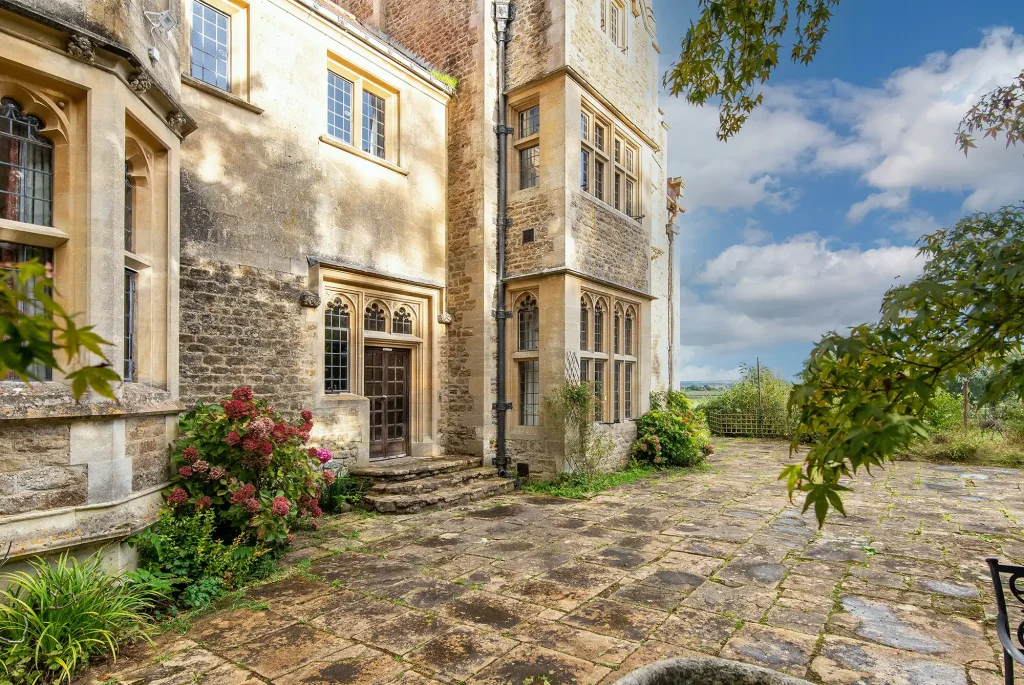
Year One is a residential, weekend-based training in Voice Dialogue held at Cleeve House outside Bath.
It is a deeper, ongoing journey into Voice Dialogue and embodied awareness.
Inside each of us are different parts; ways of being that have formed through our lives. Some are familiar and trusted. Others are hidden, disowned, or pushed to the edges.
Voice Dialogue gives direct access to these inner dynamics. We do not try to fix or remove parts. We learn to meet them, hear them, and stand in relationship with them.
A central thread of the training is the Aware Ego process; the capacity to recognise which part is present and to respond with more choice.
It is designed as a steady learning container across the year, so the work can deepen through practice, reflection, and community over time. This training is both personal and practical. You will be learning the map, and you will be practising the method.
Prerequisite
Before joining the training, you’ll need to book at least one 1:1 Voice Dialogue session with one of the facilitators.
This helps us make sure the work is a supportive fit for you, and that you have a direct felt experience of the work before committing.
It also gives us a chance to meet you, understand what you’re looking for, and make sure the training environment will be a supportive fit.
This session is also a space for you to sense whether the work and the training feel right for you. If you alread have had Voice Dialogue sessions previously, the last one needs to be within 12 months to be able to apply for the training.
For some people, one session will be enough. In some cases, we may ask for one or more additional sessions before confirming a place on the training. This gives us more time to experience the process together and to assess whether Voice Dialogue and the training environment feel like a supportive fit for you.
How it works
Format
4 residential weekends across the year
Friday 7:00pm to Sunday 5:00pm
Teaching, demonstrations, structured practice, and integration spaces
A consistent group so the learning can build progressively across the year
How each weekend is run
Each weekend includes a blend of:
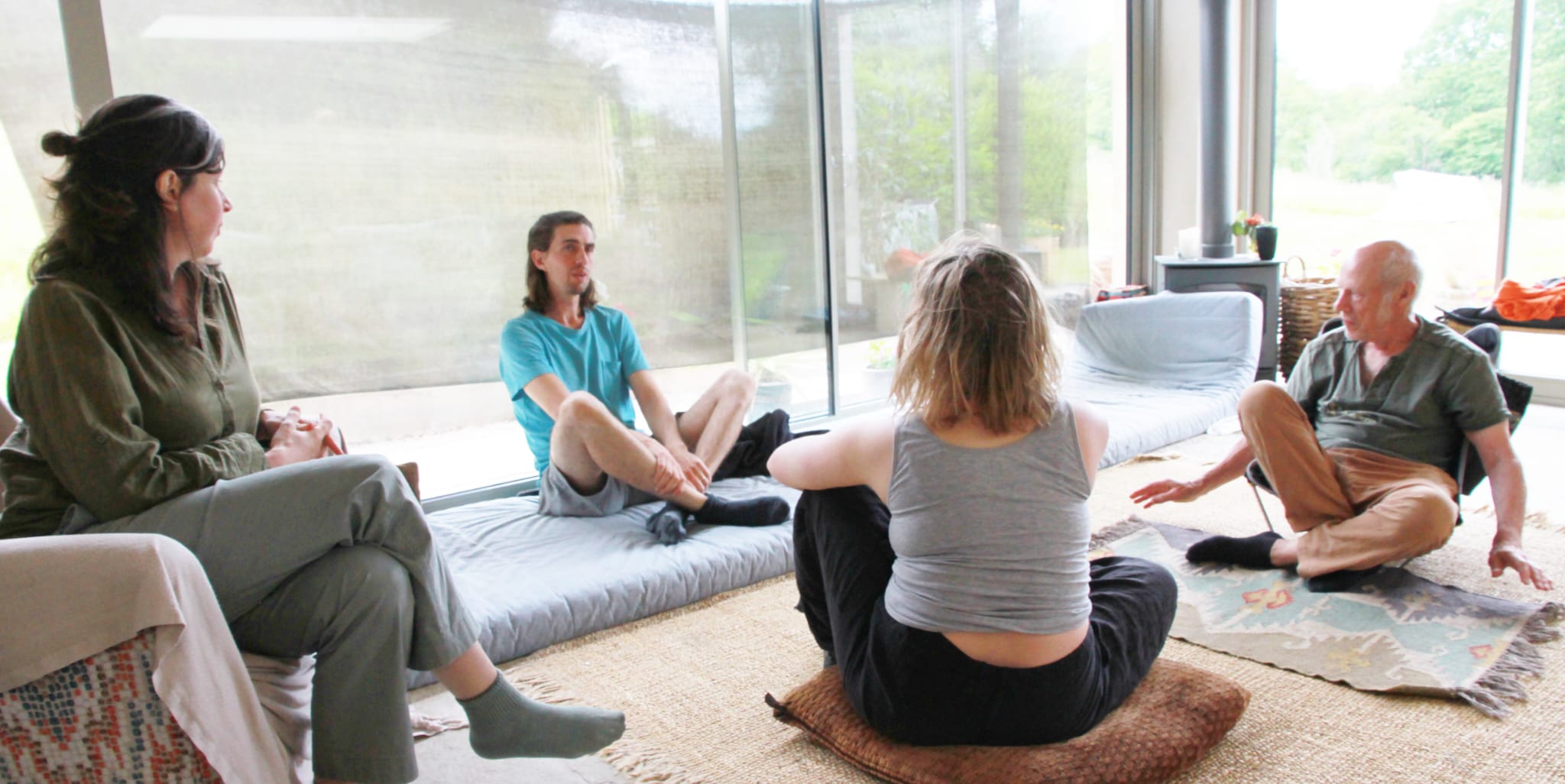
• group sharing circles
• teaching on the model and theme of the weekend
• live demonstrations of Voice Dialogue facilitation
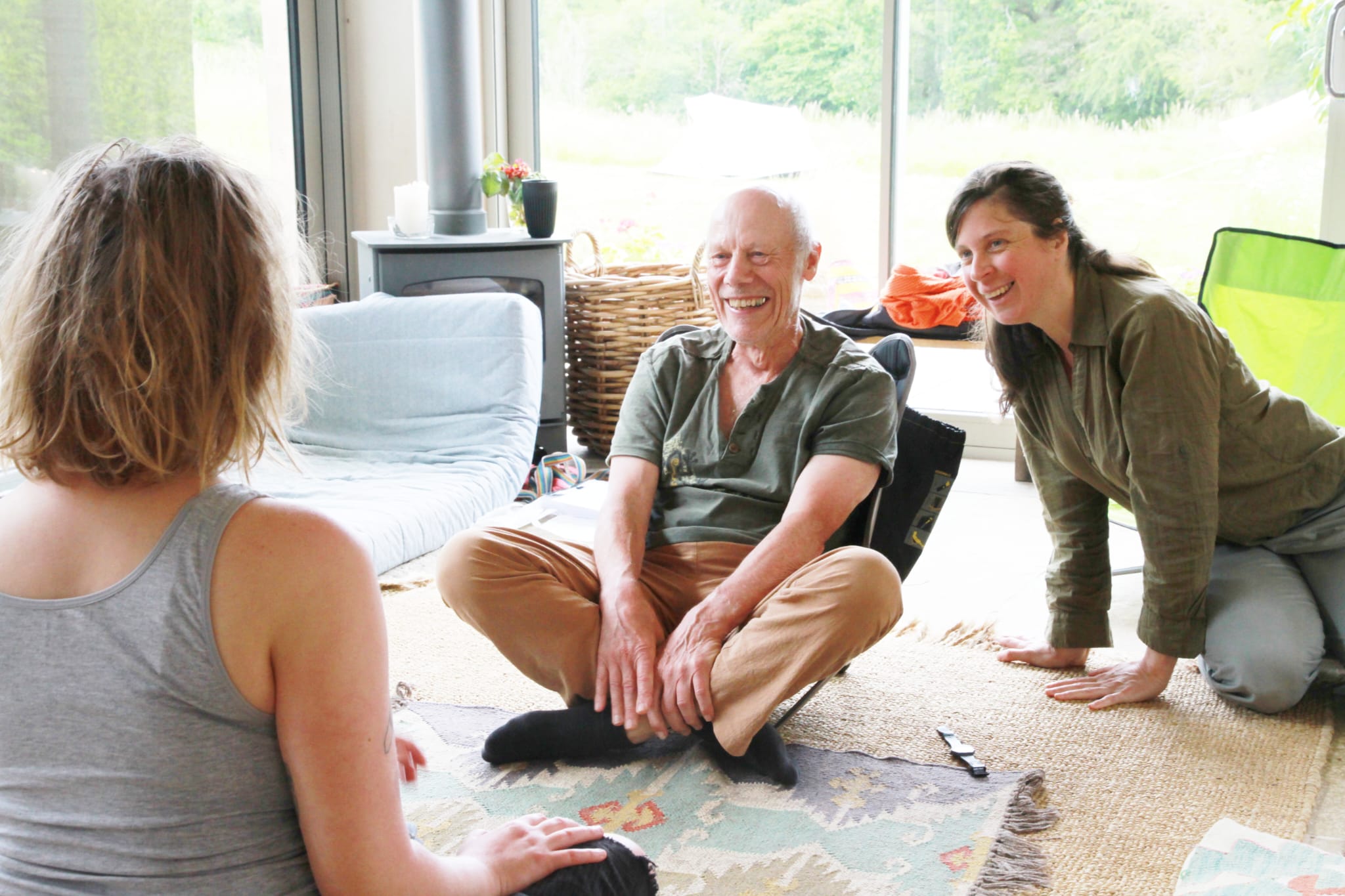
• practice in pairs and/or triads (facilitator / client / witness)
• integration time to reflect, ask questions, and digest what’s unfolding
• grounding and pacing so the work can be deep without becoming overwhelming
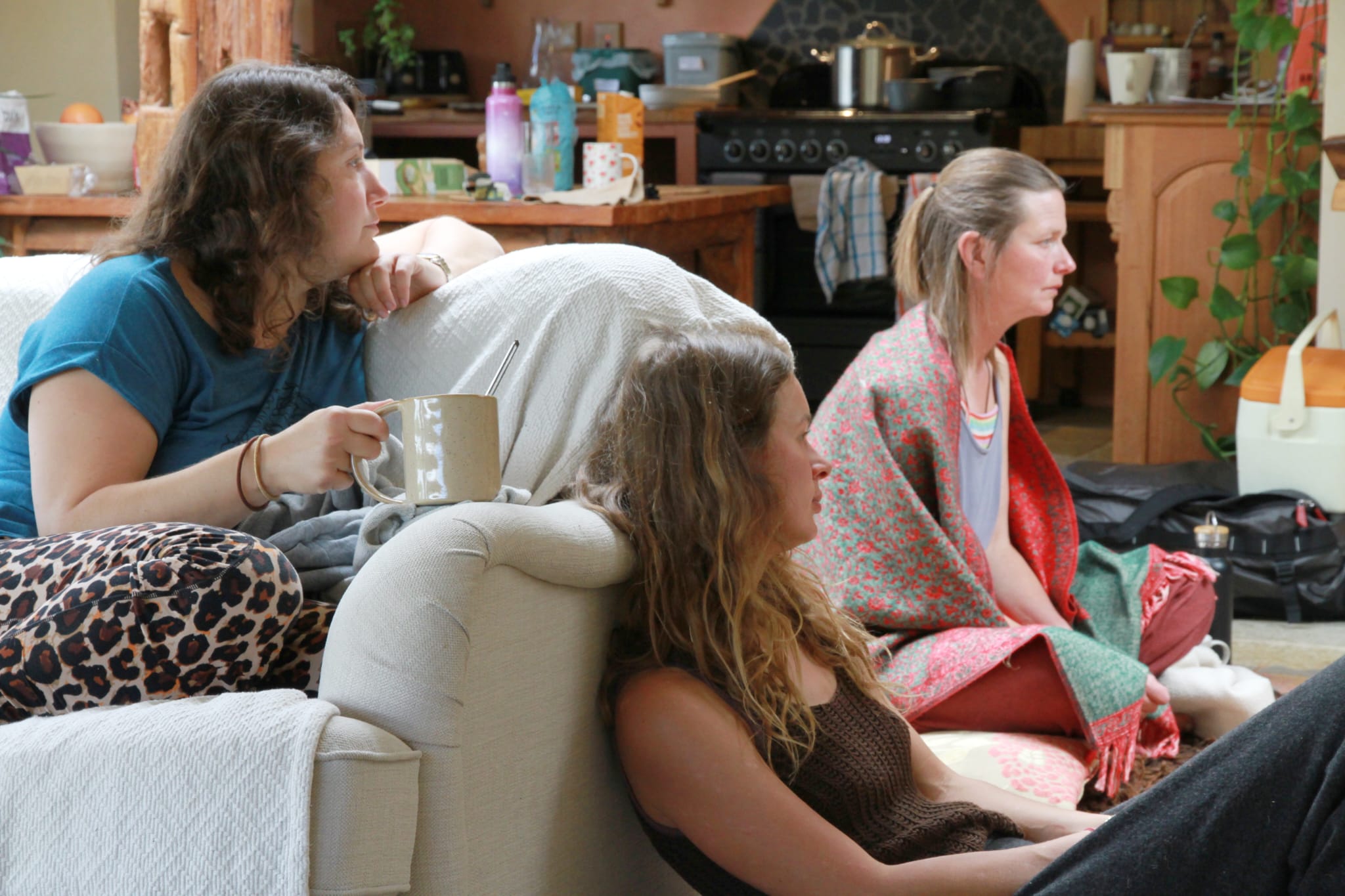
You will also be living together on site, which supports informal integration and connection across the weekend.
Voice Dialogue offers a clear map of inner parts and polarities, and can deepen or sit alongside approaches such as IFS and psychosynthesis.
At the same time, the work is not only psychological. When you move into Awareness you are experiencing an expanded state of consciousness. Over time you develop your own Aware Ego Process. Through direct contact with different selves, habitual conditioned ways of being lose their grip and more and more of your own essence shines through. This is part of the transpersonal basis of Voice Dialogue, and of what gives the work its depth.
To support your process, we strongly recommend having ongoing Voice Dialogue sessions alongside the training.
Between weekends
Between weekends, you’ll receive selected reading to prepare for the next module.
This will be short articles or excerpts.
There may also be simple practice invitations to support integration, depending on the pace and needs of the group. The intention is continuity and integration, rather than creating pressure or additional workload.
Learning culture and community
This training is designed to build community.
We work with continuity, returning together across the year, and gradually developing a shared language for inner experience.
The group container is an important part of the learning. It is shaped through confidentiality, consent, and a way of witnessing each other that does not move into fixing or analysing, which creates a shared language for expressing our inner experience.
The group container is intended to feel safe enough to support deep, authentic, meaningful sharing.
That means:
- continuity, returning together across the year
- a shared language for inner experience
- confidentiality and consent as clear foundations
- respectful witnessing, learning to see each other without fixing or analysing
We’ll name agreements explicitly. The group container is intended to feel safe enough to support honest and meaningful work.
Levels and learning flow
This training space may include people with different levels of Voice Dialogue experience.
There will be shared teaching and group process for everyone.
There will also be subgroups where needed, so the learning can be appropriately paced and challenging.
Weekend learning rhythm
Across the weekend we will include:
- group circle and shared check-in,
- demonstrations of the process in the large group
- subgroups for different levels with teaching and experiential practice
- facilitation practice
- optional teaching spaces for the whole group
Curriculum
Year One
Year One gives you a clear foundation in Voice Dialogue.
Across four weekends, you will learn the core map and practise the method in a steady, supported way.
At the centre of the training is the Aware Ego process. We return to this centre again and again, each time with more awareness. Over time, you begin to recognise more clearly which part is present and to respond with more choice.
This includes not only psychological understanding, but also a deepening into awareness itself, which is central to the transpersonal basis of Voice Dialogue.
Year One lays the foundations for both inner navigation and facilitation
Year Two
Year Two focuses on relating.
Year Three
Year Three focuses on beginning to offer the work.
Looking ahead
Further curriculum details for Year Two and Year Three will be shared as the training progresses.
Year One structure
Year One is structured across four residential weekends.
Each weekend has a theme. Skills are built progressively through demonstrations, practice spaces, and integration.
(Note: some topics might slighlty change from one weekend to another depending on the group’s needs)
WEEKEND 1
Model of consciousness
Psychology of selves
Felt sense and Body Awareness
Facilitation basics (1)
WEEKEND 2
Judgement and the Inner critic
Inner child and Inner parent
Bonding patterns
Facilitation basics (2)
WEEKEND 3
Archetypes
Patriarch & Matriach
Inner Critic
Facilitation (3)
WEEKEND 4
Personal and impersonal
Primaries and Disowned Selves revisited
Working with Dreams, Images and Symbols
Facilitation (4)
Core threads for the year
– learning to recognise primary selves and disowned selves
– strengthening the Aware Ego process through practice
– understanding how polarity shows up in identity and relationship
– developing awareness around judgement and the inner critic
– building facilitation skills with clear agreements and grounded witnessing
Full training pathway
The Voice Dialogue training is a three-year pathway.
Year One focuses on personal inner navigation. You learn the model, meet primary and disowned selves, and begin developing the Aware Ego process as a lived capacity.
Year Two focuses on relating.
This includes how different parts show up in relationships, bonding patterns, projection dynamics, and staying in awareness with more intensity.
Year Three focuses on beginning to offer the work.
This includes developing facilitation competence, integration, and the foundations of offering Voice Dialogue responsibly.
Certification
There is a certification process at the end of the third year.
Certification is based on competence and commitment, as recognised by the training team and the group process.
Voice Dialogue is not a purely quantifiable modality. Technical skill develops alongside awareness, and both are essential.
Your capacity as a facilitator develops through your own ongoing engagement with your inner world. The depth of your work is reflected in how much awareness you are able to hold, and how deeply you have engaged with the Aware Ego process.
Professional status and certification
Voice Dialogue is an open-source approach to personal and professional development. Completion of this training may lead to certification as a Voice Dialogue facilitator, subject to meeting the training requirements and undertaking ongoing supervision.
This certification is specific to Voice Dialogue. It is not a government-recognised counselling or psychotherapy qualification and does not, by itself, qualify someone to practise as a counsellor or therapist.
Participants who already hold an appropriate therapeutic qualification may integrate Voice Dialogue into their professional practice, in accordance with the scope of their existing training, registration, supervision and insurance. Participants without such a qualification may offer Voice Dialogue as facilitation, personal development or educational work, rather than as counselling or psychotherapy.
If you have further questions about the training, including practical details and commitments, you may find the answer on the FAQ page. If not, you are very welcome to get in touch with us directly.
Practicals and applying
Who this training supports
You may recognise yourself here if you are on a path of self exploration and ready to discover the deeper dimensions of your inner world.
People come to the Voice Dialogue training for many reasons.
This training may be a fit if you are drawn to the Voice Dialogue approach and want to explore your inner selves in a way that supports both personal development and as a practical learning.
It may suit you if you want to:
- recognise the selves that shape your identity, behaviour, and relationships
- strengthen the Aware Ego process and develop more choice in how you respond
- develop the Aware Ego process and experience expanded states of consciousness
- understand inner conflict through polarity rather than trying to eliminate one side
- explore disowned selves and the impact they have in everyday life and relating
- build grounded facilitation skills in the Voice Dialogue method
- learn through direct experience, practice, and reflection over time
- be part of a consistent group container that supports depth and continuity
This includes people in therapy, coaching, facilitation, bodywork, and leadership roles, as well as people doing this primarily for personal development.
Two ways of engaging with the training
People join this training for different reasons.
Some come for personal development, to deepen their relationship to their inner world, their relationships, and their lived experience.
Others are drawn to training as facilitators, with the intention of eventually offering Voice Dialogue to others and moving towards certification.
Both ways of engaging are welcome.
You are not expected to choose this in advance. Your orientation may become clearer as the training unfolds.
Facilitation Track
For those who wish to develop as facilitators and move towards certification, a facilitation track runs alongside the training.
This track includes:
– small group supervision sessions between weekends (online)
– supported practice with others outside the training weekends
– reflective writing to support integration and learning
This track is designed to support the development of facilitation skills in a grounded and responsible way.
Additional details and costs will be shared during the training.
This is optional and can be stepped into during the training rather than decided at the beginning.
Ongoing sessions
Alongside the training, we recommend continuing to have regular Voice Dialogue sessions.
For those moving towards certification, ongoing sessions form an essential part of the process. These support the deepening of your own inner work, which is inseparable from developing as a facilitator.
The exact requirements will be shared at the beginning of the training, but will include a commitment to regular sessions across the year, and working over time with different facilitators.
For those joining primarily for personal development, ongoing sessions are hughly recommended but not required.
Practicalities
Group size: maximum 20 people
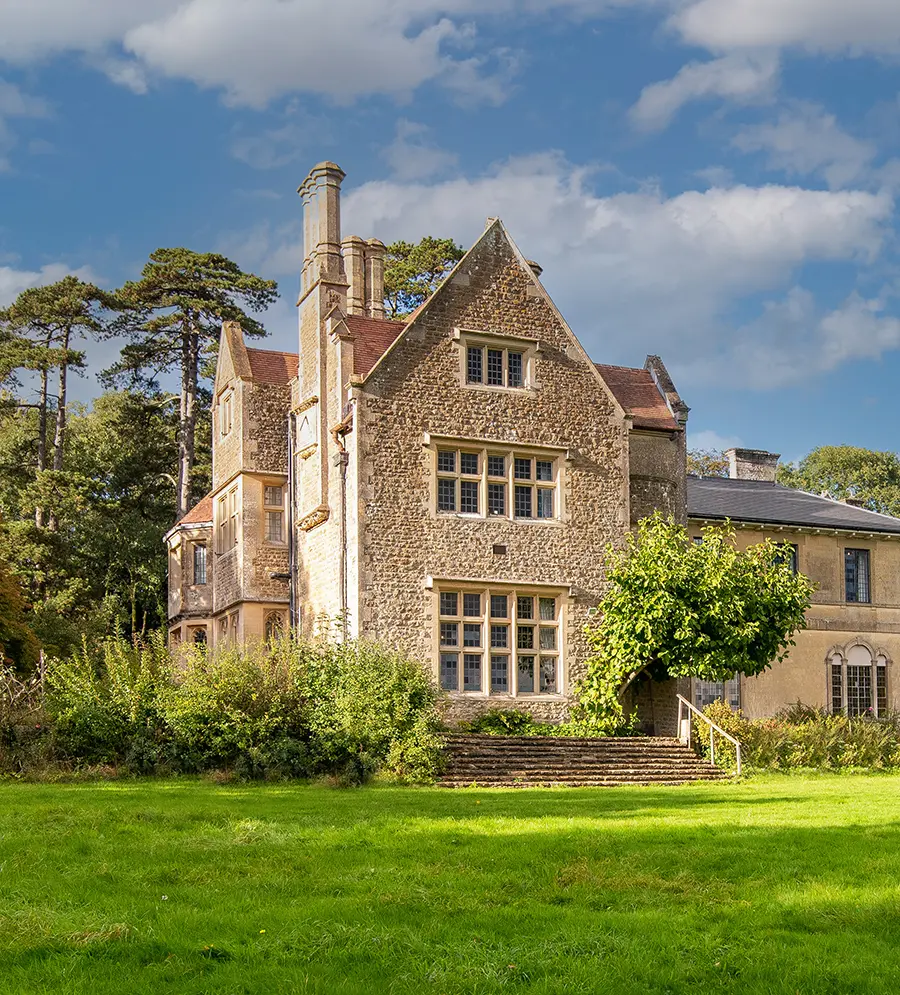
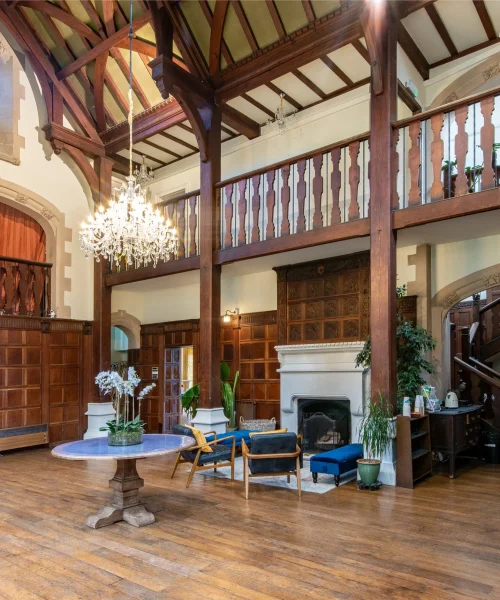
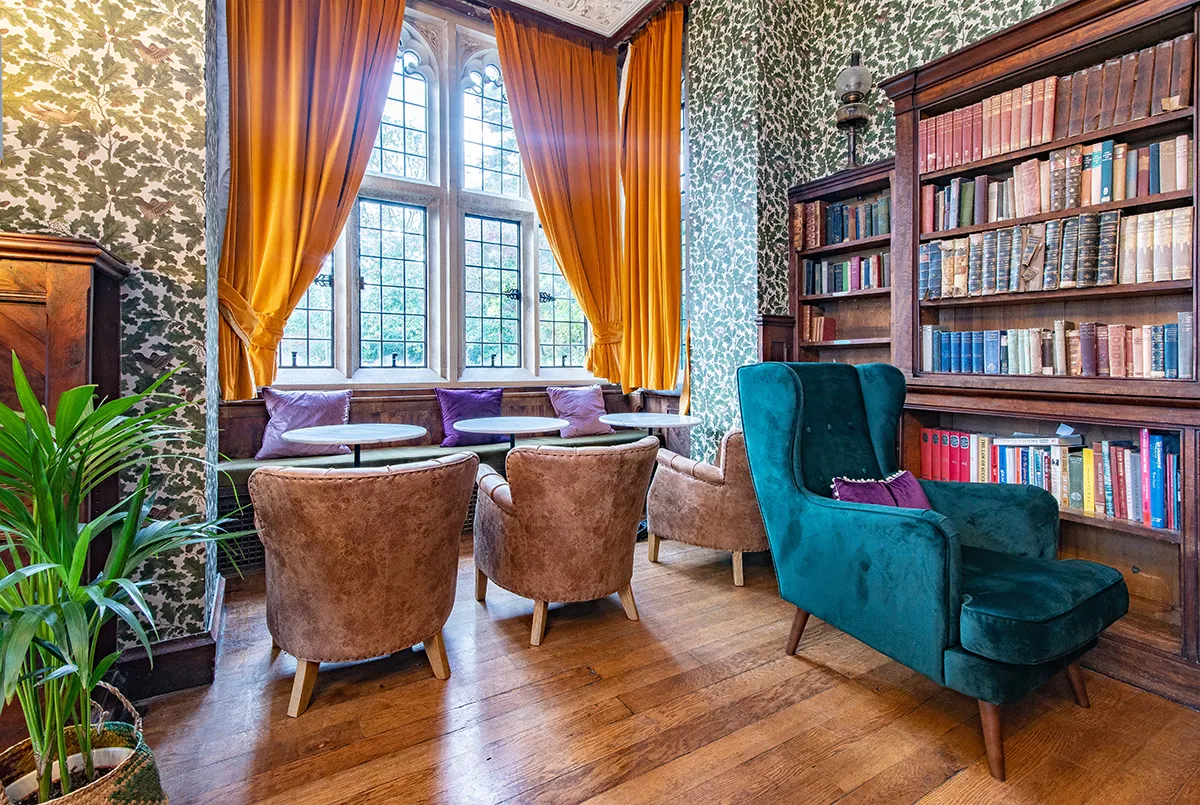
Location: Cleeve House Trowbridge Rd, Seend, Melksham SN12 6PG (outside Bath)
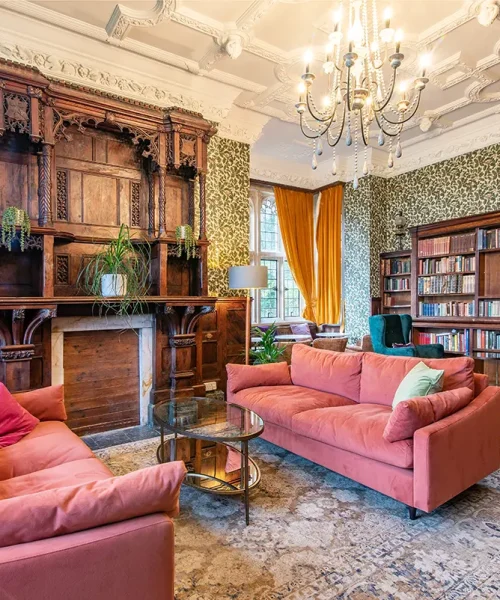
Accommodation: Accommodation is included in the training fee.
Participants will usually be sharing rooms with 2–4 people.
There may also be a small number of single rooms available at an additional cost.
We will share more detailed information about room options and any additional costs in October.
Dates and times:
Each weekend runs from Friday 7:00pm to Sunday 5:00pm.
– 13–15 November 2026
– 22-24 January 2027
– 19-21 March 2027
– 7–9 May 2027
Training Fee:
The training is booked as a full-year commitment across all four weekends. This structure supports depth, trust, and continuity within the group, which are central to the way this work unfolds.
Year One fee* (including food and accommodation):
– Concession: £1080
– Standard: £1280
– Abundant: £1480
(Equivalent to £270 / £320 / £370 per weekend)
Payment is made upfront to secure your place.
If you need a payment plan, you are welcome to contact us and we can discuss what is possible.
When you join the training, you are committing to the full year. The group process builds over time, and continuity is an important part of the learning.
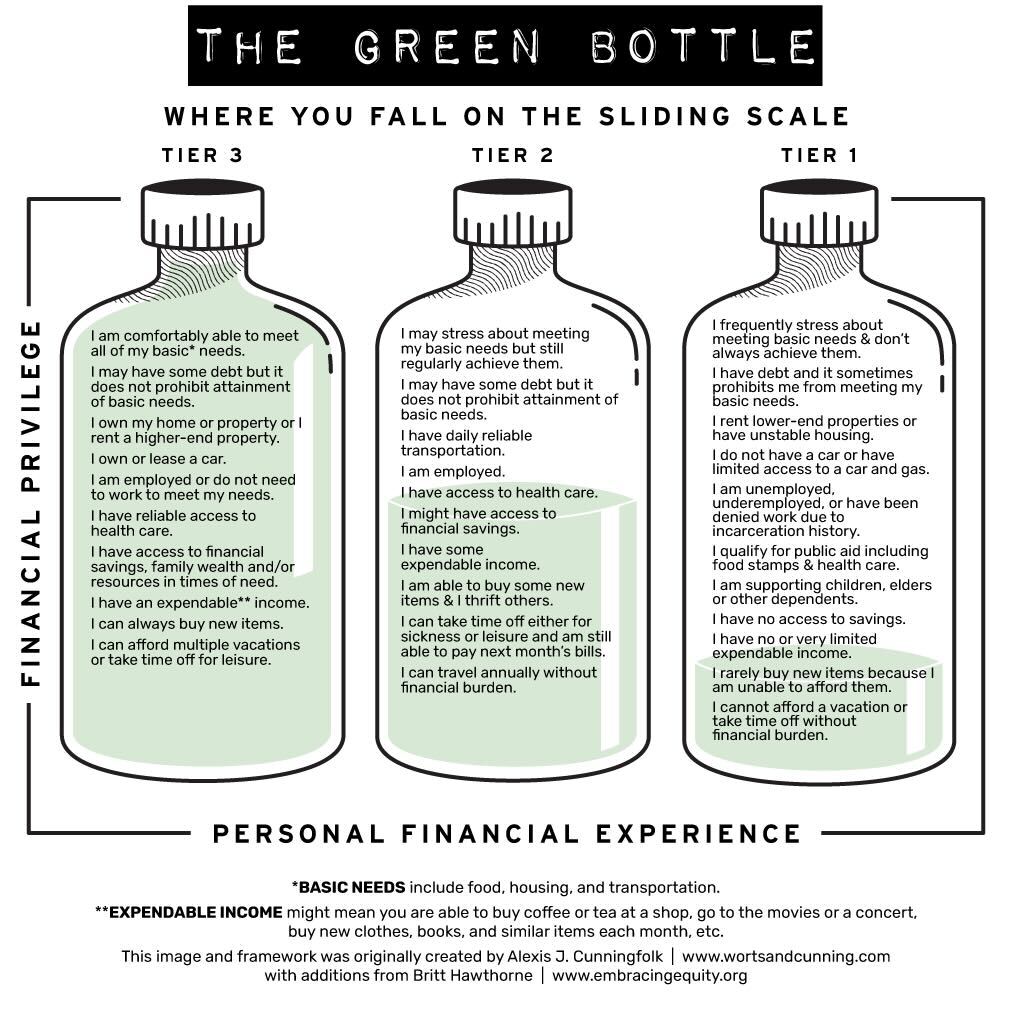
* If you need more guidance in choosing the pricing tier, you can see the ‘Green Bottle’ financial self-assesment diagram below.
How to begin?
If you feel drawn to this work, the first step is to have a direct experience of it.
To join the training, begin by booking a 1:1 Voice Dialogue session with one of the facilitators.
Shorter Training
Nothing planned at the moment.